
Mold After Water Damage: How to Recognize It and What to Do
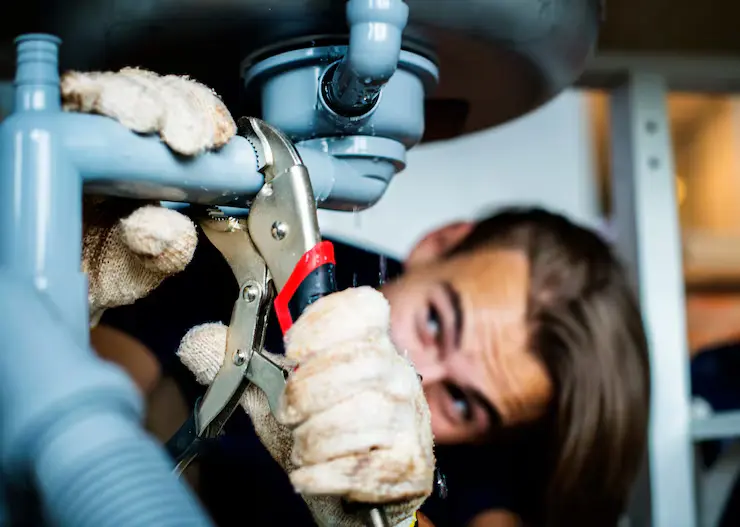
Water damage caused by a plumbing leak, flood, or other source can add moisture to drywall, wood, carpet, and other materials. In these situations, mold spores are present in the air, and they can start growing when they find enough moisture. After water damage, the first step is to dry the affected areas as soon as possible. Moreover, it’s important to limit mold growth and prevent moisture from spreading to other parts of your home.
Short Answer
Mold can start growing within 24 to 48 hours after water damage if wet materials are not dried properly. Mold spores are already present in the air and on many surfaces in your home. When materials such as drywall, carpet, or wood stay wet, mold can begin to grow. It’s important to dry the affected areas quickly to reduce the risk of mold.
Key Points
- Check for musty odors and visible mold in areas affected by water damage.
- Dry wet areas as soon as possible to reduce the chance of mold growth.
- Check moisture in walls, ceilings, floors, and other areas.
- Remove wet materials that cannot be properly dried or cleaned.
- Avoid touching visible mold, especially when there is a large amount of it.
- Seek professional help for extensive water damage and moisture retention.
How Quickly Can Mold Grow After Water Damage?
If water-damaged areas stay wet, mold can begin to grow within 24 to 48 hours. Mold spores are already present in the air and on many surfaces around your home. They can begin to grow when they come into contact with moisture.
If drywall, carpet, wood, and other porous materials are wet, they can hold moisture for a long time. These materials increase the chance of mold growth.
This is why it is important to dry the affected area as soon as possible. It can also prevent mold from developing behind walls, under flooring, or in other hard-to-see areas.
Common Signs of Mold
Sometimes, mold does not show after water damage because it may be hidden behind walls or under flooring.
- Musty Odors: A musty, damp, or earthy smell can be a sign of mold, especially if you notice the odor in an area that recently had water damage.
- Visible Mold or Dark Spots: Mold can appear as black, green, white, gray, or other colored spots on walls, ceilings, floors, or other surfaces.
- Damp Materials and Water Stains: Walls, carpets, wood, and other materials that remain damp can indicate that moisture is still present. Water stains may also appear on walls or ceilings after a leak.
- Peeling Paint or Wallpaper: Moisture can cause paint to bubble, blister, or peel. Wallpaper may also loosen or start separating from the wall.
- Warped Drywall or Flooring: Drywall, wood flooring, and other materials can swell, buckle, or change their shape. These changes may show that moisture has reached areas that are not fully dry.
What to Do If You Find Mold
If you notice signs of mold after water damage, a few practical steps can prevent further damage.
Stop the Water Source: Fix the leak or stop the source of water as soon as possible. This could be a plumbing leak, a roof leak, or another source of moisture. If the source turns out to be a sudden pipe failure rather than a slow leak, burst pipe repair in Cary, NC needs to happen before drying can be effective.
Remove Standing Water: If there is standing water on floors, carpets, or other surfaces, remove it as soon as you can. If water stays for a longer time, it can increase the risk of mold growth.
Dry the Affected Areas: Use fans or a dehumidifier to help dry wet areas. Pay attention to walls, floors, carpets, and other materials that may have absorbed water.
Improve Airflow and Ventilation: Open doors and windows when conditions are safe to allow air to come through the affected area.
Avoid Disturbing Visible Mold: Do not scrape or aggressively clean large areas with mold. It can disturb mold and spread particles to other areas of your home.
Check for Hidden Moisture: Look for dampness behind walls, under flooring, around baseboards, or in other areas near the original water damage. Some materials that remain wet and cannot be properly dried may need to be removed.
When to Get Professional Help
Some small areas of mold may be easier to handle, but professional help can be useful when water damage or mold affects a larger or harder-to-reach area. Consider contacting a water damage or mold professional if:
- A large area is affected: There is visible mold across a large part of a room or several areas of your home.
- Several materials are affected: Mold or moisture has reached drywall, flooring, insulation, carpets, or other building materials.
- The water was contaminated: The damage involved sewage, floodwater, or another source of contaminated water.
- Moisture remains hidden: You suspect water is hidden behind walls, under flooring, or in other areas that are difficult to reach.
- The area cannot be dried properly: Wet materials remain damp despite your efforts to dry them.
If you need help with mold remediation in Cary, NC, Cary Water Restoration can connect you with local professionals who can provide the services you need.
How to Prevent Mold After Water Damage
After a leak or flood, act quickly to dry the affected areas and control the moisture. Here are a few simple steps that can help:
- Act Quickly: Dry wet areas and materials as soon as possible after water damage.
- Control Indoor Humidity: Use an air conditioner or dehumidifier to keep moisture levels under control.
- Improve Ventilation: Use exhaust fans in kitchens and bathrooms to remove excess moisture.
- Fix Leaks Promptly: Repair plumbing leaks, roof leaks, and other sources of water immediately after you notice them.
- Keep Gutters and Drainage Clear: Clean your gutters and make sure water drains away from your home’s foundation.
In Summary
Mold can develop instantly when materials are damp due to water damage. You can reduce the risk by stopping the water source, removing standing water, and drying the affected areas thoroughly. If the damage is extensive, consider having a professional assess the area and provide the required services.
Frequently Asked Questions
Mold can start growing within 24 to 48 hours if wet materials are not dried properly.
Mold often has a musty, damp, or earthy smell. You may notice the odor even when you cannot see mold.
Yes. Mold can grow behind walls, under flooring, beneath carpets, or in other areas where moisture remains hidden.
Small areas of mold may be easier to handle, but larger areas or mold caused by contaminated water may require professional help.