
How to Prevent Basement Flooding Before the Next Big Storm
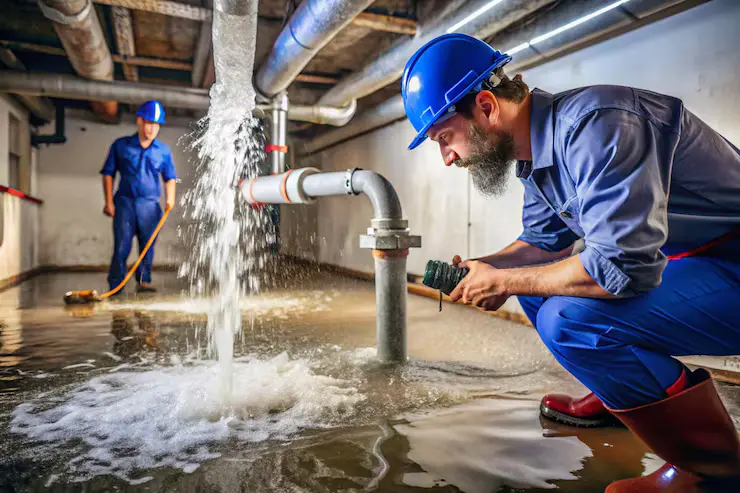
Basement flooding is a common problem during heavy storms because extreme rainfall can exceed the capacity of surrounding soil and city sewer systems. Even a small amount of water getting inside your home can cause significant damage to flooring, drywall, and furniture. Once moisture remains for more than 48 hours, it can begin to grow mold, thus increasing repair costs and health risks. However, homeowners always have a chance to reduce these risks significantly through regular maintenance
This guide covers the primary causes of basement leaks and provides ten practical ways to protect your home before the next storm arrives.
Why Basements Flood During Heavy Rain
Heavy rainfall can leave large amounts of water around the bottom of your house. If the water has nowhere to drain, it can seep into the basement.
Poor Drainage Around the House
If the soil has settled near your foundation, it often creates a dip where water pools against the basement walls. This standing water creates “hydrostatic pressure,” which is a force that pushes moisture through tiny openings in the concrete.
Clogged Gutters and Downspouts
When gutters are full of leaves, rainwater spills over the edges instead of flowing to the downspouts. This concentrated overflow sends hundreds of gallons of water directly to the base of your foundation, increasing the pressure on your walls.
Foundation Cracks
Concrete is naturally porous, but cracks provide a direct path for water to enter. These small openings often get wider over time as the soil expands and contracts with moisture changes.
Sump Pump Failure
Many basements rely on a sump pump to remove water from under the floor. These systems can fail during a storm if the power goes out, the motor wears out, or debris clogs the intake screen.

Common Causes of Basement Flooding
Here are some of the most common causes of basement flooding and simple ways to prevent them:
Cause | What Happens | Prevention |
Clogged gutters | Water collects near foundation | Clean gutters twice a year |
Poor grading | Rainwater flows toward house | Improve yard slope |
Foundation cracks | Water enters basement | Seal cracks early |
Sump pump failure | Water cannot drain | Test pump regularly |
Sewer backup | Water enters through drains | Install a backwater valve |
10 Ways to Prevent Basement Flooding Before the Next Storm
A few simple steps can reduce the risk of basement flooding during a heavy storm.
1. Clean Gutters and Downspouts
You should clean your gutters at least twice a year to remove leaves and debris. If you have trees overhanging your roof, check the gutters frequently. When gutters get clogged, water can spill over the sides and collect around your basement.
2. Extend Downspouts Away From Your Foundation
Downspouts should move water at least five or six feet away from your house. You can use extensions or underground pipes to carry the water to a safe area in your yard. Avoid connecting downspouts directly to your sewer or floor drain, as this can increase the risk of flooding and may not be allowed in your area.
3. Check the Slope Around Your House
The ground around your house should be slightly higher near the house and lower farther away. This helps rainwater flow away instead of collecting near your basement. FEMA recommends that the ground drop at least 6 inches within the first 10 feet from the foundation. If the ground has sunk in some areas, add soil to those low spots to help water drain away from the house.
For more information, see the FEMA Flood-Resistant Provisions.
4. Seal Foundation Cracks
Check your basement walls and floor once a year for new cracks. Use a good waterproof sealant to fill small cracks and stop leaks. This will not prevent major flooding, but it can reduce small leaks and prevent the cracks from getting worse.
5. Test Your Sump Pump
Test your sump pump every few months, especially before a big storm. Pour a bucket of water into the sump pit and make sure the pump turns on right away. Also, remove any dirt or sand from the pit so it does not block the pump.
6. Install a Battery Backup for the Sump Pump
Heavy storms can cause power outages. When the power goes out, a regular sump pump will stop working. A battery backup can power the pump for several hours. A water-powered backup can continue to work as long as your water supply is available.
7. Keep Basement Drains Clear
Make sure your basement floor drains are not covered by rugs, boxes, or debris. These drains help carry water away if a pipe breaks or a leak occurs. Check the drain area regularly and remove any dirt or buildup.
8. Install a Backwater Valve
A backwater valve is a device that allows sewage to flow out of your home but closes automatically if the city sewer line starts to back up. This prevents sewage from entering your basement through floor drains, toilets, or sinks during an intense rainstorm.
9. Store Valuable Items Off the Floor
If you use your basement for storage, keep belongings on shelves or in waterproof plastic bins. Moving items even a few inches off the floor can save thousands of dollars in property damage in case of a minor leak.
10. Schedule a Professional Basement Inspection
A licensed plumber can identify illegal plumbing connections and check your drainage systems for hidden issues. They can also help you determine if you need more advanced solutions like a French drain or an interior drain tile system.

Basement Flood Prevention Checklist
Use this checklist to know when to check each part of your basement and yard.
Task | How Often |
Clean gutters | Spring & Fall |
Test sump pump | Every 3 months |
Check foundation for cracks | Twice a year |
Inspect downspouts | Before storm season |
Clean basement drains | Every few months |
Check yard grading | Once a year |
Warning Signs That Your Basement May Flood Soon
These signs can help you identify potential problems before any major flood event occurs.
- Water stains on the lower parts of your basement walls.
- A persistent damp or musty smell, even if you don’t see water.
- White mineral deposits (efflorescence) on concrete walls, which show moisture is moving through the stone.
- Small puddles or wet spots that appear on the floor after a light rain.
- The sump pump runs constantly during or after a storm.
- Visible cracks in the basement walls or floor slabs.
- Standing water in your yard near the foundation for hours after a storm.
When to Call a Water Damage Restoration Professional
Some situations can be too dangerous or difficult to handle on your own. Call a water damage professional if:
- Standing water remains in the basement and you cannot safely remove it.
- Mold begins to appear on walls, studs, or furniture.
- Floodwater contains sewage or chemicals, which requires specialized cleaning equipment.
- Structural damage is visible, such as heaving floors or tilting walls.
- Water sat for more than 48 hours, as moisture can be trapped behind walls and under floors.
Conclusion
Basement flooding is a stressful and expensive problem, but it is often preventable with routine maintenance. By managing surface water, maintaining your sump pump, and sealing your foundation, you can keep your home dry even during intense storms. Homeowners should inspect their property every spring and fall rather than waiting for the clouds to gather.
You can prevent water damage costs by repairing early, which can be far less than serious damage situations. So, if you invest a small amount in plumbing maintenance, it provides security during any flooding events.
Frequently Asked Questions
Not completely. Sandbags can slow down water during a storm, but they may not stop it from getting inside. They are best used as a temporary measure.
A battery backup is a good choice if you want something simple and easy to install. A water-powered pump can work without electricity, but it needs a steady supply of city water.
Check if there are water stains, white marks on the walls, musty smells, or wet spots after rain. Also look around your house for areas where water collects.
Do not walk through the water if the power is still on. If you can safely reach the electrical panel, turn off the basement power. Take pictures of the damage and start removing the water as soon as it is safe.